Project details

Status: Ongoing
Country: The Netherlands
Location: Amsterdam

Kickboxing programme ‘From Trauma to Strength’

Young people in the forensic system often struggle with unresolved trauma. Accessing the necessary therapy proves difficult. Without treatment, there is a high risk of reoffending. The martial arts intervention ‘From Trauma to Strength’, aimed at young people aged between 12 and 27, may offer a solution to this. In this programme, a trainer and a mental health therapist work together in a multidisciplinary team. The martial arts trainers find it easy to connect with the young offenders, and physical activity increases body awareness and helps establish a connection with the mind. From that point onwards, there is more scope for the therapist to work with the young person.

The intervention officially began in Amsterdam in January 2026, and young people are now being supported through it. The intervention was initiated and is being implemented by the City of Amsterdam’s Action Centre for Safety and Care.

Prior to the launch, a preparatory phase took place during which various stakeholders met on several occasions to establish a methodological and theoretical foundation for the intervention. Thanks to the experience gained, the existing network and the concrete elaboration of the working method, a solid foundation has already been laid. Now that the intervention has started, the Safety and Care Action Centre wishes to focus, during this implementation phase, on developing an action-oriented monitoring system and setting up a knowledge network in which all stakeholders participate.
Initial situation

PAR Design

PAR-goal

The aim is to bring about concrete action and change in practice by reflecting together, sharing knowledge and thereby determining what is needed to further develop the intervention and make adjustments where necessary. Central to this are strengthening a culture of learning, building support amongst all stakeholders and further professionalising the approach.

Main question

What action plans can the ‘From Trauma to Strength’ knowledge network co-create and implement to enable young people with a forensic background and trauma to take part in the martial arts intervention, thereby making them more open to therapy and trauma processing, and enabling them to develop positively?

Methods

To answer this question, we have so far (the research is still ongoing) used the following methods:

  • To gain an understanding of who belongs to the PAR community, exploratory discussions were held with the clients and internal documentation was reviewed – specifically focusing on the existing theoretical framework and previous meetings and discussions within the existing community.
  • Subsequently, the various perspectives within the community were mapped out by conducting 16 interviews with young people, trainers, practitioners, referrers, researchers, a manager and the client.
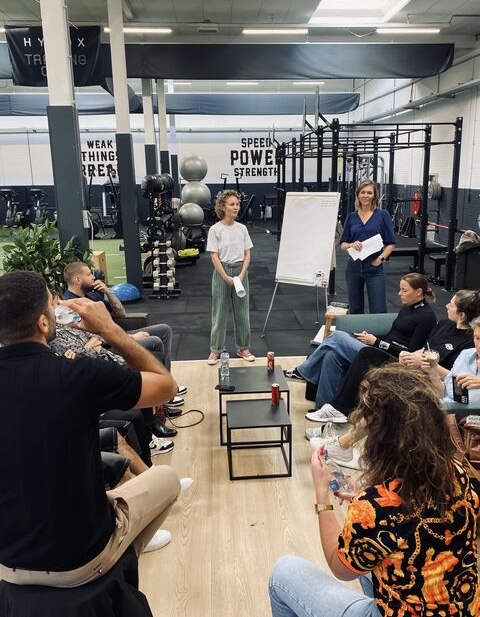
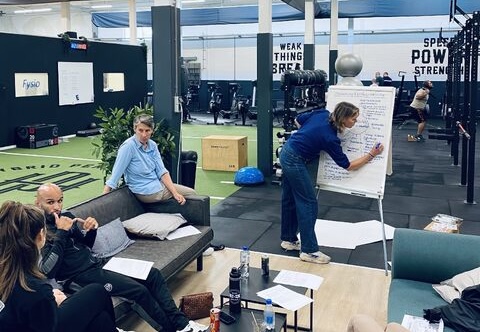
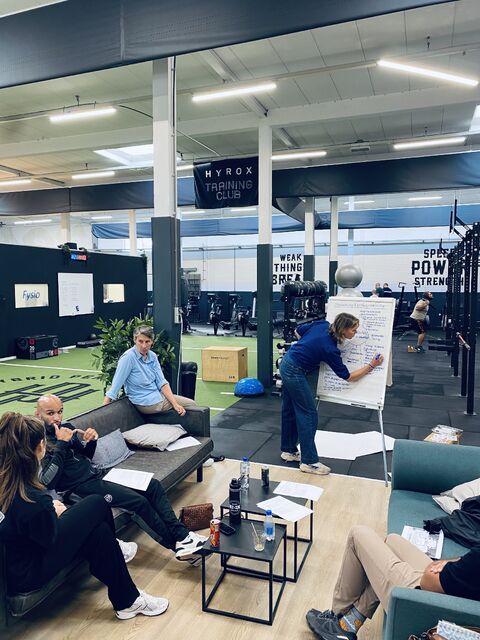
  • These perspectives were visualised in ‘problem and dream trees’, which formed the basis for the first focus group. In this focus group, member checking took place to identify existing strengths and areas for improvement. Based on the ‘problem tree’, those involved then set about formulating wishes for the future in the ‘dream tree’.
  • The young people’s perspective was incorporated by:
    • Conducting interviews
    • Inviting young people to join the first focus group
    • Giving young people the opportunity to contribute ideas on specific action plans via a voice message shared by the trainers
    • Still planned: observation and informal discussions during/after a training session
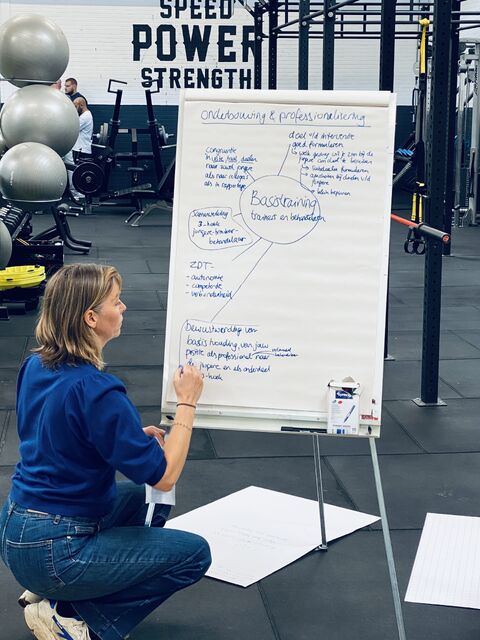
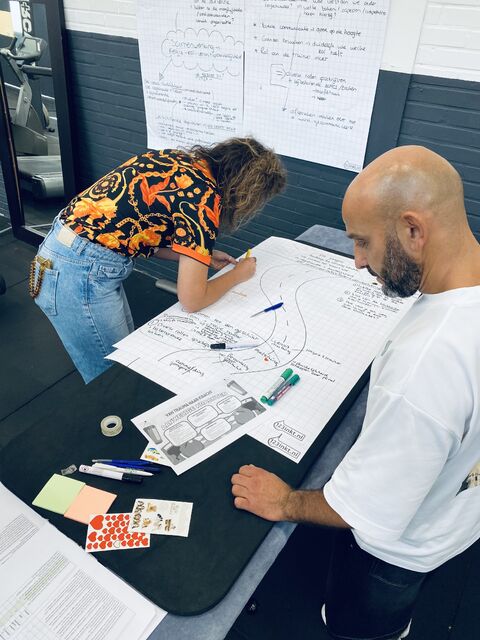
  • In a second focus group, all wishes for the future were prioritised and the community decided which potential solutions were most urgent for the near future. Two potential solutions were developed further through a ‘Road to Progress’.
  • In the final focus group (yet to take place), the initial details of the two proposed solutions will be presented and concrete agreements will be made regarding who will take on which role. The remaining proposed solutions will also be prioritised further.

Impact

At present (October 2026), the project is still in full swing. So far, we are satisfied with the process; this intervention is being carried out by an incredibly enthusiastic team of professionals, all of whom are deeply committed to the target group and are keen to work together to further strengthen the intervention, make it more professional and ensure it is fit for the future. And, of course, above all, they want to continue to meet the needs of young people. The action plans support this and set out in concrete terms what is needed for the successful implementation of the intervention. This also includes structural funding – which is why it is so positive that the research represents all the groups involved, including management.

Project images