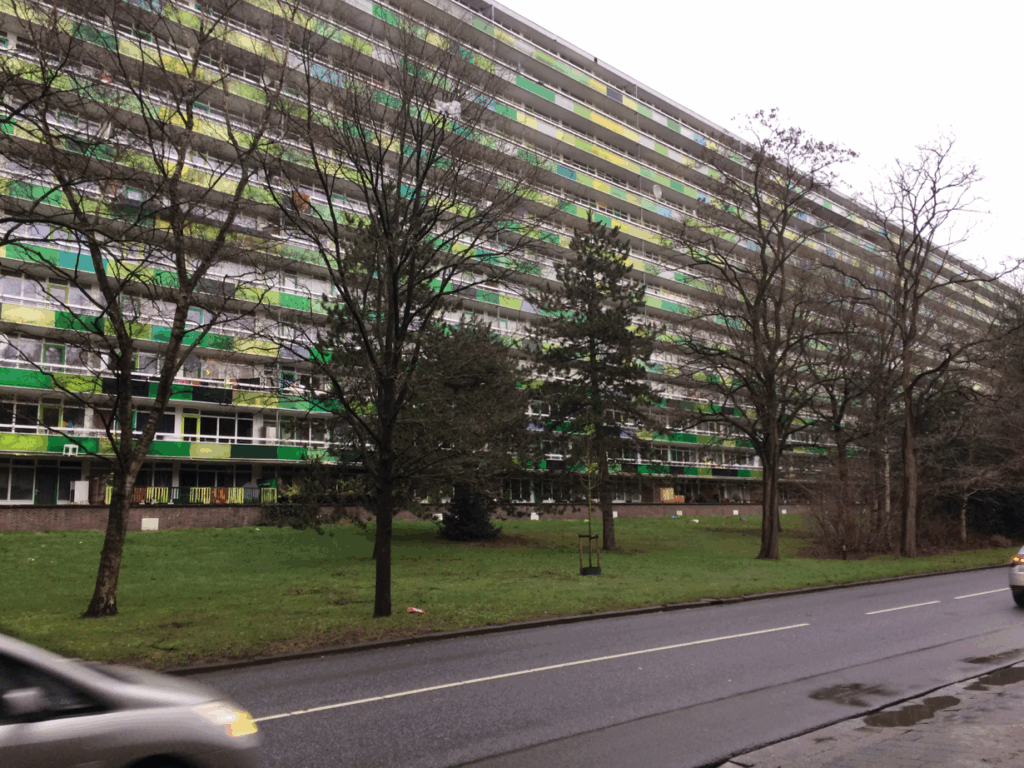
A PAR about improving living quality in one of the biggest gallery flats in western Europe.
![]()
![]()
A PAR about improving living quality in one of the biggest gallery flats in western Europe.
The L-Flat in Vollenhove, Zeist belongs to the biggest gallery flats in western Europe. About 2000 people from over 60 different nationalities inhabit the flat. The L-Flat was built in the sixties as a response to the enormous housing shortage after World War II and in 1968, the first people took their residence in the flat. Since it’s opening, problems have been signalled concerning vandalism, criminality and contamination of the environment by garbage. Due to the fast in- and outflow of inhabitants and its multi-culturality, social cohesion among inhabitants remains low. Especially the contamination of the environment due to garbage and underlying causes has triggered the municipality of Zeist to start an action research to tackle this issue together with inhabitants and other stakeholders. In order to give respondents space to express their main issues and identify underlying issues, the subject has been broadened from ‘garbage’ to ‘improving living quality’.
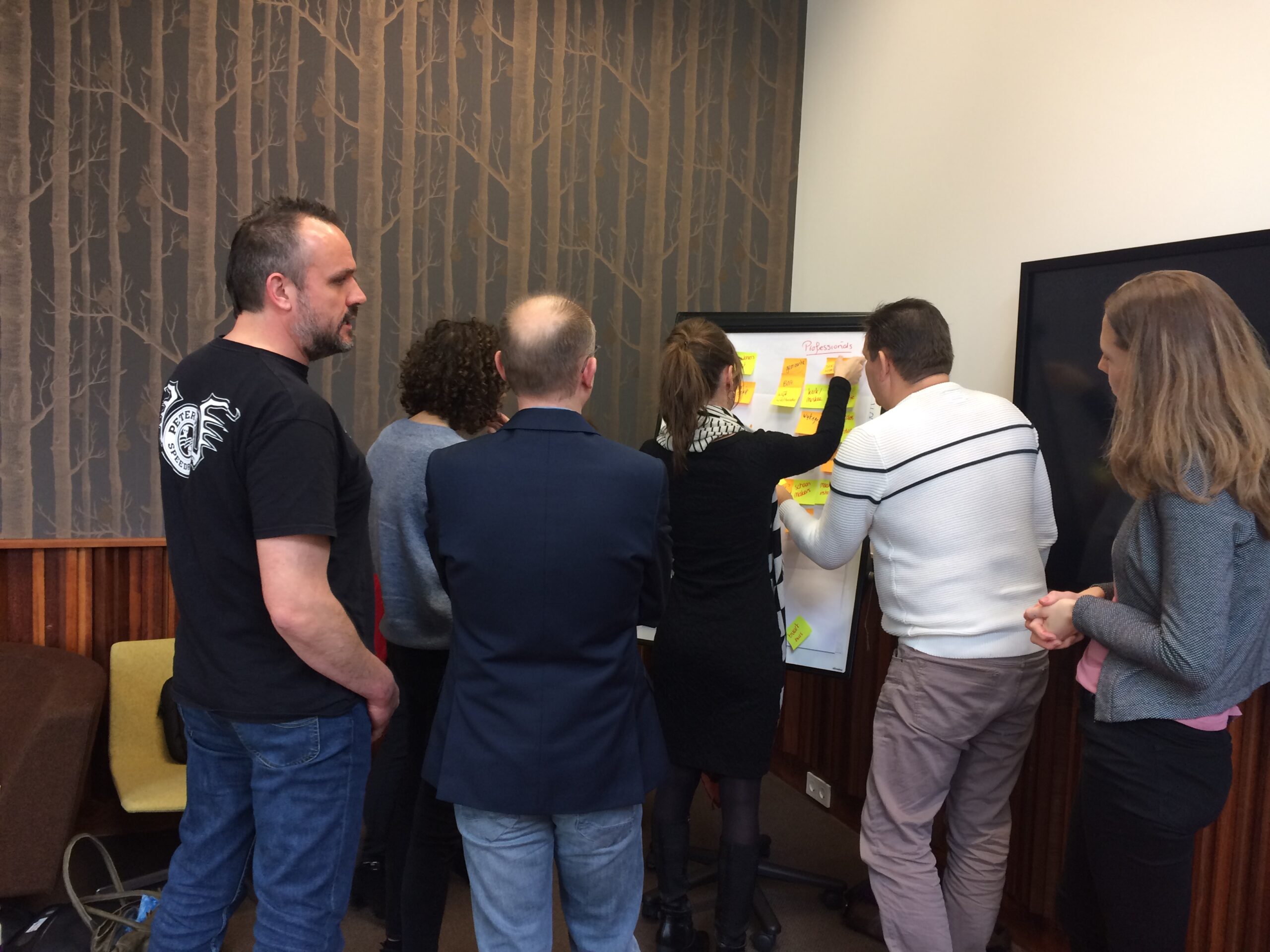
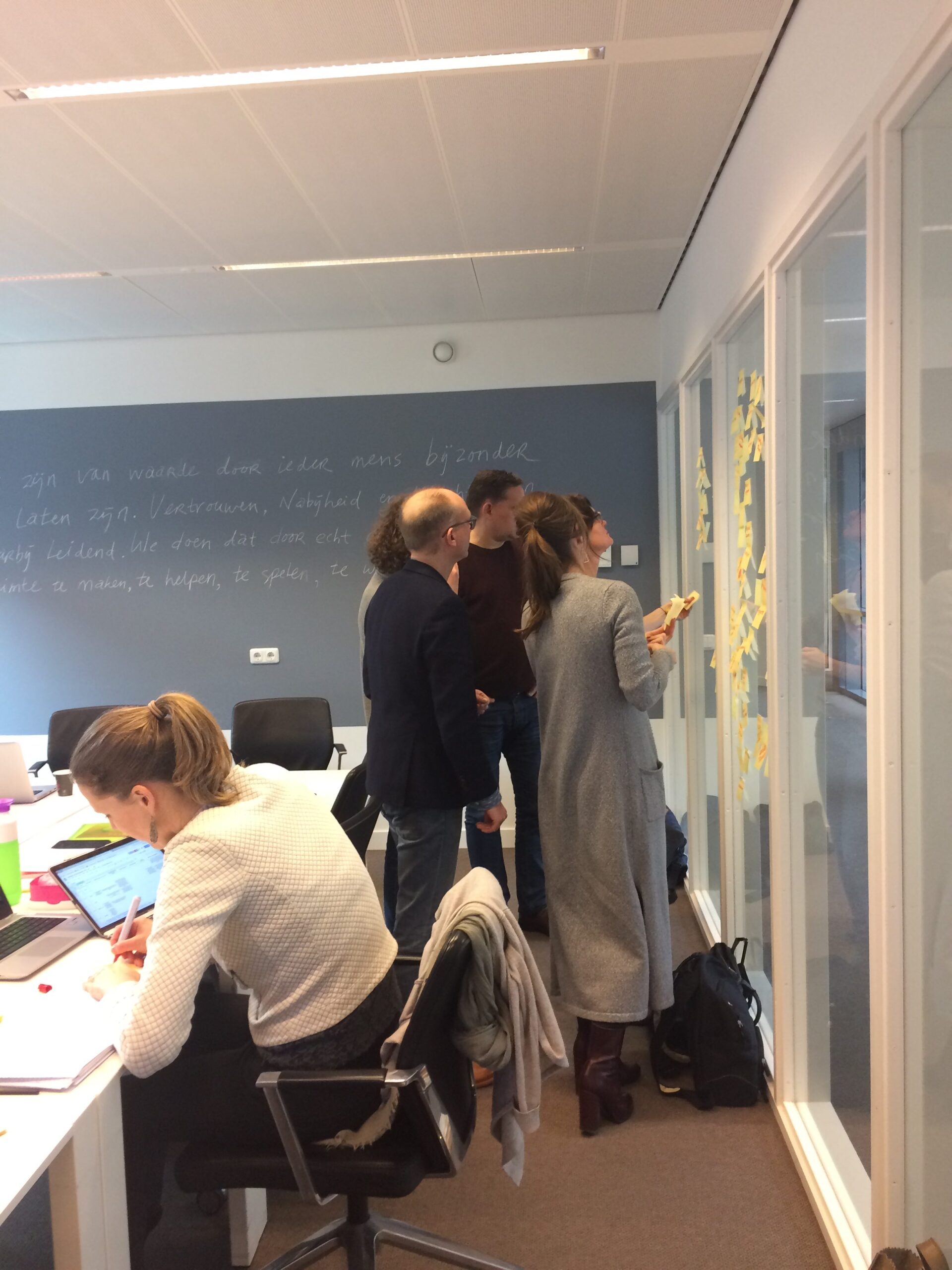
Stakeholders of the L-Flat such as residents, local school, welfare organizations, garbage collectors, housing corporation, local police, municipality employees, and others have co-created multiple action plans relating to social cohesion, feelings of safety, improving the image of the flat, garbage, cooperation and facilities. Some of these initiatives are finished successfully, others are still running and some are ‘sleeping’.
Many different initiatives have started, each having their own impact. For example, girls now have their own place where they play, guided by mothers. Teenage boys who were accused of being a nuisance near the entrances of the flat have created their own youth center where they chill together. Supporting organizations claim to know each other and each others’ goals better as a result of this PAR. The park next to the flat has improved in safety thanks to inhabitants and municipality working together, resulting in kids playing outside and improved social cohesion among neighbors.

Read the full story of this Challenge in our handbook Participatory Action Research (in Dutch).