Impact
The Strength That Already Exists
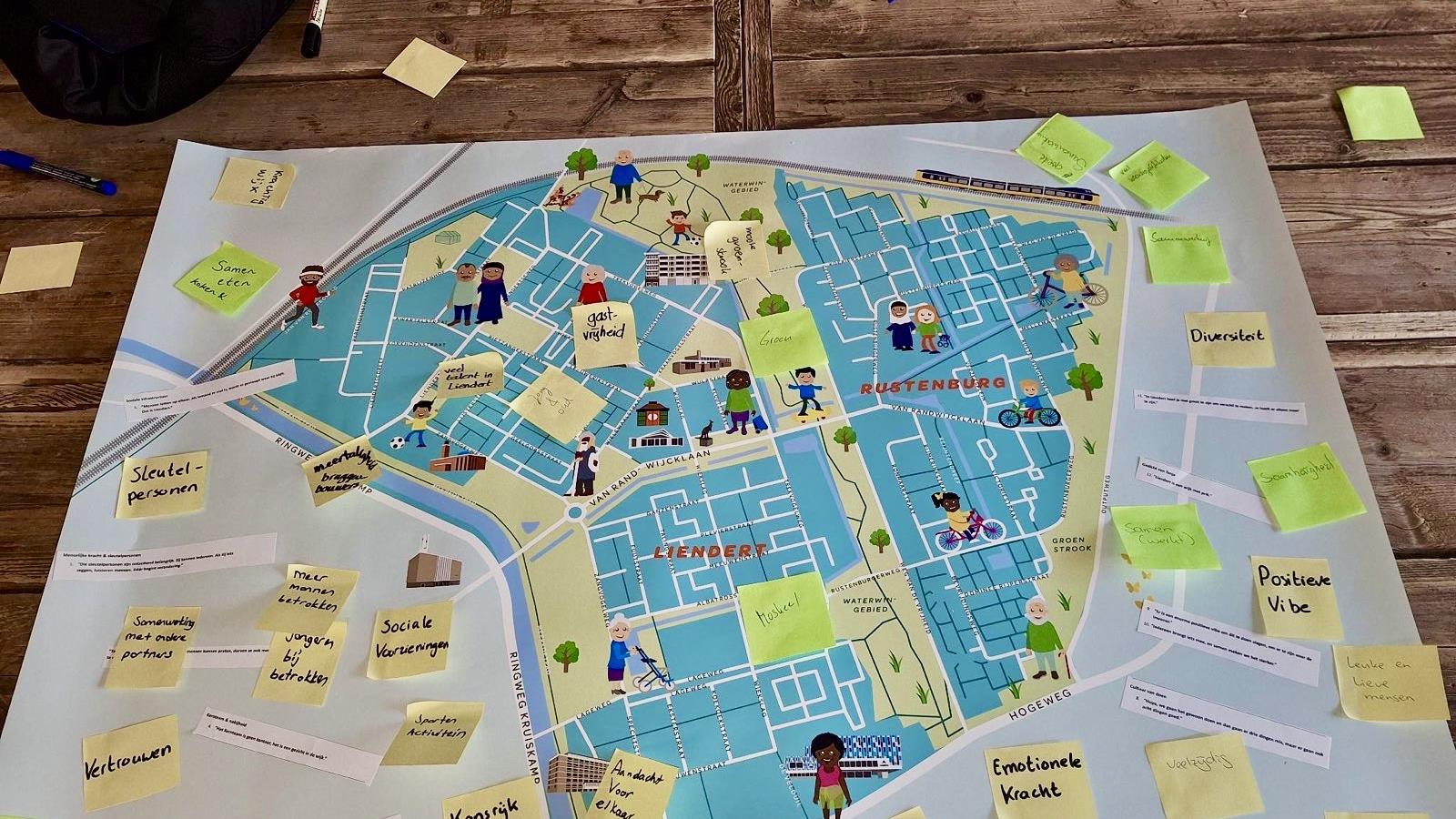
An important part of the study was to highlight Liendert’s so-called “assets”: the neighborhood’s existing qualities, opportunities, and connections.
Among other things, this brought to light residents’ engagement, the diversity of cultures and languages, mutual trust, and the role of key individuals.
Key individuals and experts by experience play an important role because they know the neighborhood, are trusted, and can build connections between residents and organizations.
Existing initiatives and facilities, such as the Buurtbaan and various community gathering places, also offer opportunities for development, support, and connection.
The study showed that there is already a great deal of strength in Liendert. The challenge lies not only in developing new initiatives, but also in recognizing, strengthening, and better connecting what already exists.
Appreciation Is More Than Just Compensation
The discussions revealed different perspectives on appreciation. For some, appreciation means fair compensation, while for others it’s about being recognized, being given responsibility, feeling trusted, or having the opportunity to make a difference in someone else’s life.
It also became clear that people have different needs and starting points when it comes to personal development, volunteer work, and paid work.
What is an appropriate step forward for one person may not be for another. This calls for a tailored approach, room for growth, and attention to people’s qualities and circumstances.
Conversation as the First Step Toward Change
One of the most valuable insights from the PAR process was that the research process itself could already set things in motion.
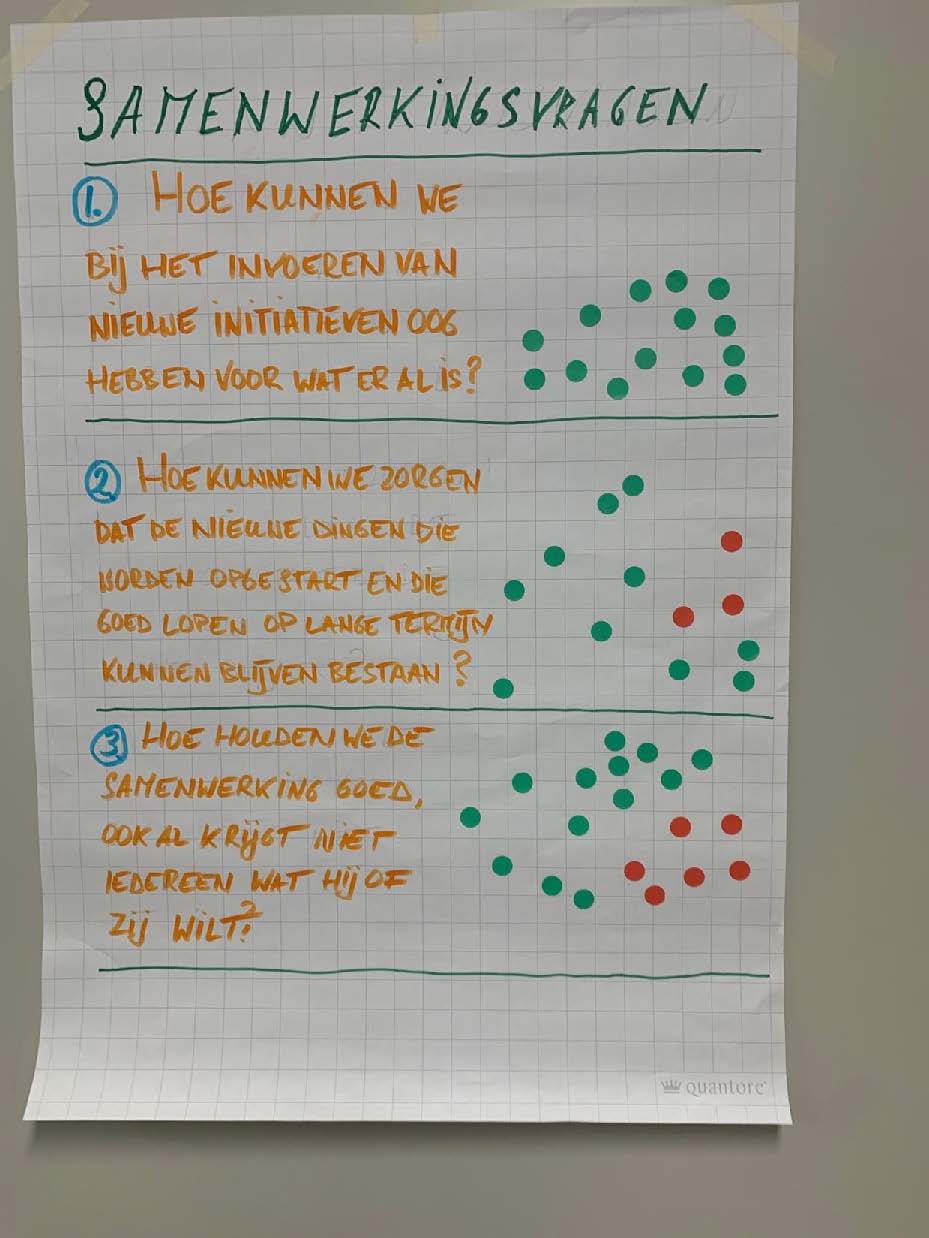
At the start of the research, we noticed that there was some unease surrounding collaboration in the neighborhood, especially among professionals. There were differing expectations, working methods, and perspectives. Sometimes people talked more about each other than with each other.
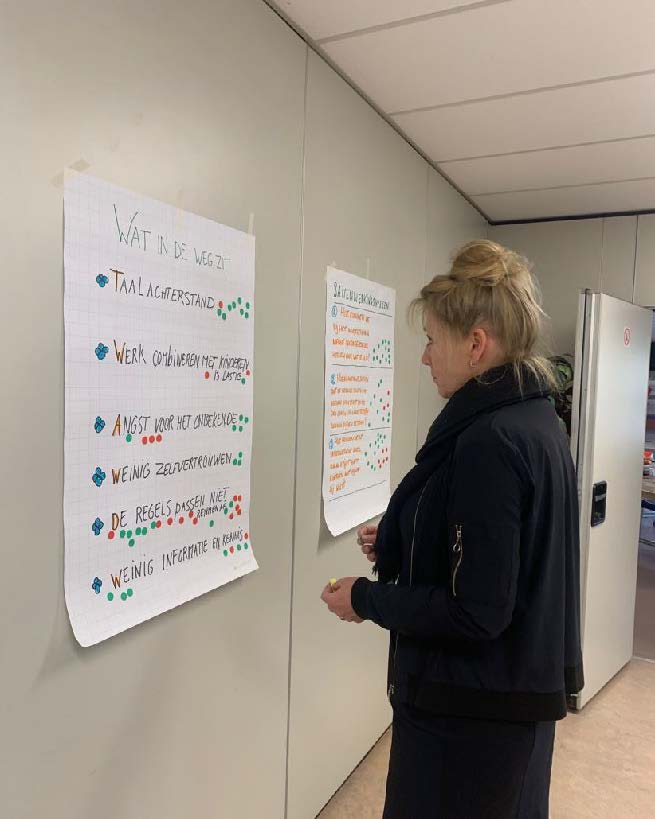
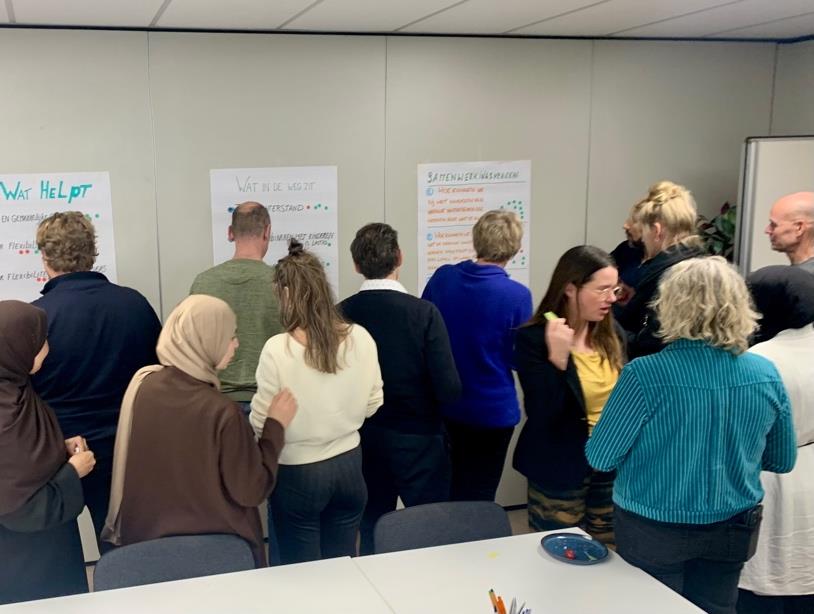
By gathering different experiences and stories and discussing them together, space was created to listen to one another and better understand each other’s perspectives.
Moreover, new connections were formed during the meetings. Participants indicated that they found it valuable to come together and gained a better understanding of who is all working on behalf of the neighborhood. Some participants even wrote down the names of people they had truly gotten to know for the first time during the meeting.
Throughout the study, we as the research team observed that the perceived unease diminished and that more positive examples of collaboration became apparent.
An important insight was that simply being heard, sharing experiences, and meeting one another can be highly valuable in and of themselves. While there was initially a need for concrete action, it gradually became clear that the conversation itself was also meaningful.
The study thus not only provided insights into appreciation and connection, but also created opportunities during the process to actually experience that appreciation and connection.
To us, this illustrates the power of participatory action research: change doesn’t always have to start with a new plan or a new activity. Sometimes it begins, in fact, by bringing people together, making room for different perspectives, and truly listening to one another.
Strength from Within
The PAR program in Liendert demonstrates how valuable it is to bring together different perspectives and to give space to the knowledge and experiences of the people themselves.
Liendert’s strength lies not only in its facilities and projects, but above all in its residents, key figures, volunteers, professionals, and the relationships they build with one another.
By making that strength visible, listening to one another, and exploring together what is needed, we create space for further development.
Because Liendert’s strength doesn’t have to come from outside. It’s already present within the neighborhood itself.